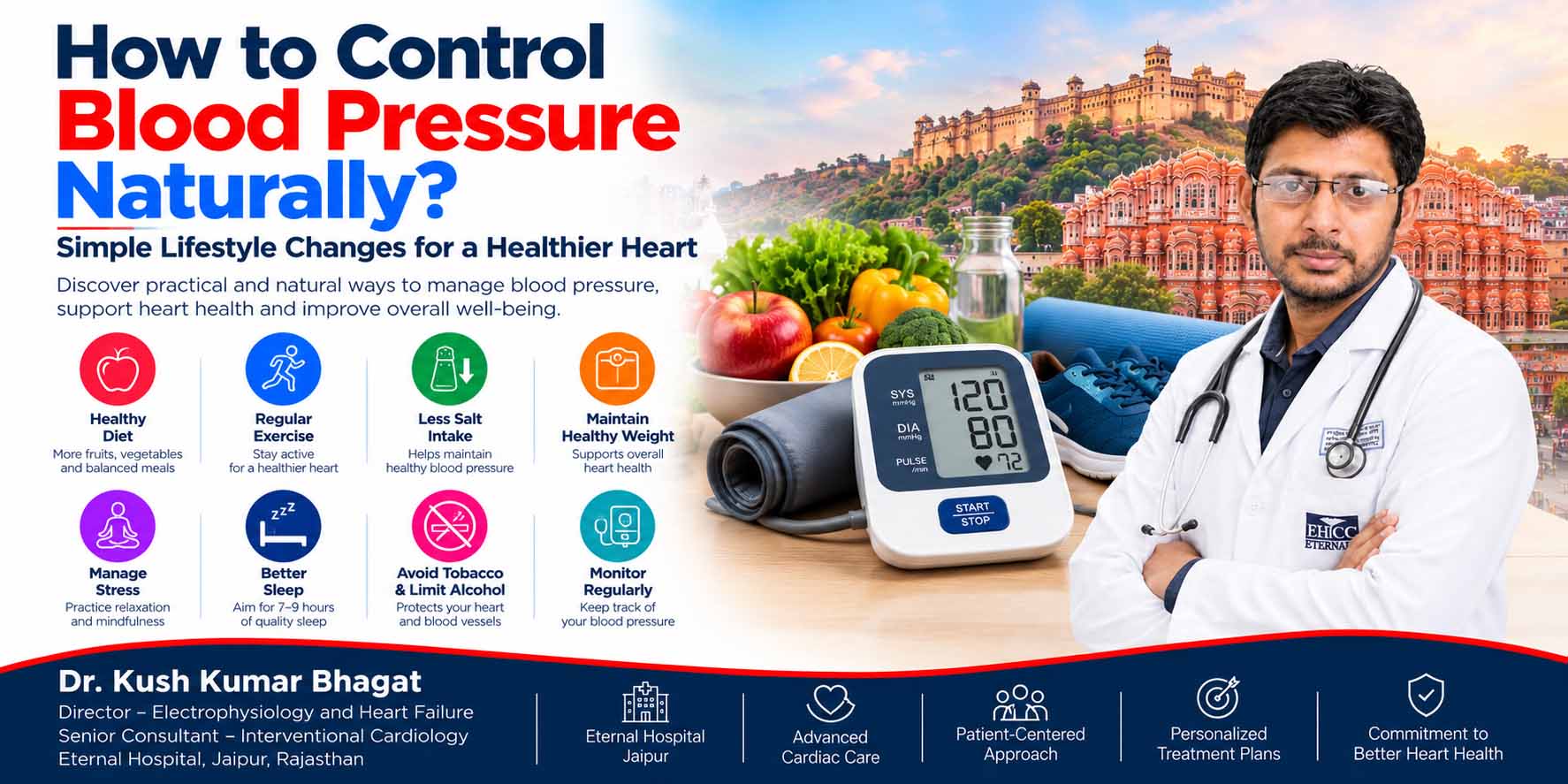
How to Control Blood Pressure Naturally? A Heart-Healthy Guide
High blood pressure, also known as hypertension, is one of the most common cardiovascular health concerns. It develops when the pressure of blood flowing through the arteries remains consistently higher than normal.
Often called a silent health risk, high blood pressure may not cause noticeable symptoms. However, when left uncontrolled, it can increase the risk of heart disease, stroke, heart failure, kidney problems and other complications.
The encouraging news is that healthy lifestyle changes can help prevent and manage high blood pressure. From reducing salt intake to staying physically active, small daily habits can make a meaningful difference to long-term cardiovascular health.
For individuals looking for ways to control blood pressure naturally in Jaipur, understanding these evidence-based lifestyle measures is an important first step.
What Is High Blood Pressure?
Blood pressure is the force exerted by circulating blood against the walls of the arteries.
A blood pressure reading contains two numbers:
Systolic pressure: The upper number, which measures pressure when the heart contracts.
Diastolic pressure: The lower number, which measures pressure when the heart relaxes between beats.
A reading below 120/80 mmHg is generally considered normal for adults. However, blood pressure classifications and treatment decisions depend on the clinical guidelines used and a person's overall cardiovascular risk.
In India, persistent readings of 140/90 mmHg or higher commonly warrant evaluation for hypertension. Some international guidelines identify increased cardiovascular risk at lower readings.
1. Reduce Salt Intake to Support Healthy Blood Pressure
Excessive salt consumption is an important dietary factor associated with high blood pressure.
Sodium can influence fluid balance and blood pressure regulation. Regularly consuming too much sodium may contribute to elevated blood pressure, particularly in salt-sensitive individuals.
Practical Ways to Reduce Salt
-
 Limit packaged snacks, namkeen, chips and salty biscuits.
-
Reduce the use of pickles, papad and heavily salted chutneys.
-
Avoid adding extra salt to cooked meals.
-
Check sodium information on packaged food labels.
-
Use herbs, lemon, garlic and other seasonings for flavour.
The World Health Organization recommends consuming less than 5 grams of salt per day for adults, including salt already present in prepared foods.
Reducing excess salt is one of the most practical natural ways to support blood pressure control.
2. Follow a Heart-Healthy Diet
Diet plays an important role in maintaining cardiovascular health.
A balanced eating pattern provides nutrients that support normal blood vessel function, healthy body weight and overall heart health.
The DASH diet (Dietary Approaches to Stop Hypertension) is an evidence-based eating pattern associated with lower blood pressure.
Foods to Include
Fresh fruits: Apples, oranges, guava, papaya and other seasonal fruits.
Vegetables: Leafy greens, carrots, beans, tomatoes and a variety of seasonal vegetables.
Whole grains: Whole wheat, oats, brown rice and other minimally processed grains.
Protein sources: Dal, beans, lentils, nuts and other suitable protein-rich foods.
Low-fat dairy: Milk, curd and other dairy products, according to individual dietary requirements.
Foods to Limit
Reduce excessive intake of highly processed foods, saturated fats, trans fats, sugary beverages and salty snacks.
For people in Jaipur and other Indian cities, a heart-healthy diet does not require completely changing traditional meals. Adjusting portion sizes, cooking methods, salt intake and food choices can make everyday eating healthier.
3. Stay Physically Active
Regular physical activity supports cardiovascular fitness and helps manage blood pressure.
Exercise can improve the efficiency of the heart and support healthy blood vessel function.
Adults are generally encouraged to aim for at least 150 minutes of moderate-intensity aerobic activity per week, depending on their health and physical capabilities.
Activities That May Help
-
Brisk walking
-
Cycling
-
Swimming
-
Dancing
-
Light jogging, where appropriate
-
Other enjoyable aerobic activities
Strength-building activities can also be beneficial.
People with existing heart disease, uncontrolled blood pressure or significant symptoms should discuss suitable exercise intensity with their healthcare professional.
Consistency is more important than occasional intense workouts. Regular, manageable physical activity is usually easier to maintain over time.
4. Maintain a Healthy Body Weight
Excess body weight can increase the workload on the cardiovascular system and contribute to higher blood pressure.
For individuals who are overweight, gradual and sustainable weight reduction may help improve blood pressure.
A healthy weight-management approach includes balanced nutrition, regular physical activity, sufficient sleep and long-term lifestyle consistency.
Crash diets and extreme exercise routines are not necessary for effective cardiovascular risk reduction.
The goal should be better overall health rather than rapid weight loss.
5. Manage Stress Through Healthy Daily Habits
Stress is a normal part of life, but persistent stress may influence blood pressure and encourage habits that negatively affect cardiovascular health.
Work pressure, irregular routines, insufficient rest and emotional strain can make it more difficult to maintain a healthy lifestyle.
Healthy Stress-Management Practices
-
Practise slow, comfortable breathing.
-
Take regular breaks during demanding workdays.
-
Spend time outdoors when possible.
-
Maintain supportive social relationships.
-
Try meditation or mindfulness.
-
Make time for relaxing activities.
Stress-management techniques can complement other blood pressure measures, although they should not replace medical treatment when it is required.
6. Prioritize Quality Sleep
Sleep plays an important role in cardiovascular regulation.
Regularly sleeping too little or experiencing poor-quality sleep may be associated with increased blood pressure and other health concerns.
Most adults should aim for approximately 7–9 hours of sleep each night, depending on individual needs.
Habits That Support Better Sleep
Maintain a consistent bedtime, reduce late-night screen exposure, avoid excessive caffeine close to bedtime and create a comfortable sleeping environment.
Loud snoring, interrupted breathing during sleep and excessive daytime sleepiness may indicate obstructive sleep apnea, which can contribute to hypertension.
Persistent sleep-related symptoms deserve medical evaluation.
7. Avoid Tobacco and Limit Alcohol
Smoking and other tobacco products can damage blood vessels and increase cardiovascular risk.
Nicotine can also cause temporary increases in blood pressure and heart rate.
Avoiding tobacco is an important step toward protecting long-term heart health.
Alcohol consumption may also contribute to elevated blood pressure, particularly when intake is excessive.
Reducing or avoiding alcohol can support healthier blood pressure levels.
8. Monitor Your Blood Pressure Regularly
High blood pressure frequently develops without obvious warning signs.
This is why regular blood pressure monitoring is important, especially for people with a family history of hypertension, diabetes, kidney disease or cardiovascular conditions.
How to Measure Blood Pressure Correctly at Home
-
Use a validated automatic upper-arm blood pressure monitor.
-
Avoid smoking, caffeine and exercise for at least 30 minutes before measurement.
-
Sit quietly for approximately five minutes.
-
Keep your feet flat on the floor and your back supported.
-
Position your arm at heart level.
-
Take readings according to your healthcare professional's instructions.
-
Maintain a record of readings over time.
Home blood pressure monitoring can help identify patterns, but it does not replace professional evaluation.
9. Be Mindful of Caffeine Consumption
Caffeine can temporarily increase blood pressure in some individuals, particularly those who are sensitive to its effects.
Coffee, strong tea, energy drinks and certain supplements may contain significant amounts of caffeine.
Not everyone needs to avoid caffeine completely. However, people who experience palpitations, sleep disturbances or noticeable blood pressure changes after consuming caffeine may benefit from reviewing their intake.
Energy drinks and excessive caffeine consumption deserve particular caution.
10. Make Heart-Healthy Habits Part of Your Daily Routine
Long-term blood pressure management depends on sustainable habits.
A practical routine might include starting the day with a balanced breakfast, walking regularly, choosing less salty meals, taking breaks from prolonged sitting and maintaining consistent sleep hours.
People working in offices or spending long periods sitting can benefit from incorporating movement throughout the day.
Healthy habits do not need to be complicated. Small changes maintained consistently can support better cardiovascular health.
Can High Blood Pressure Be Controlled Without Medication?
Lifestyle changes can help lower blood pressure, and some people with mildly elevated readings may initially be advised to focus on these measures under medical supervision.
However, natural methods are not a substitute for prescribed treatment in everyone.
People with persistently high readings, diabetes, kidney disease, established cardiovascular disease or other risk factors may require medication alongside lifestyle changes.
Never stop or reduce prescribed blood pressure medication without discussing it with your treating healthcare professional.
The most appropriate management plan depends on repeated blood pressure readings, medical history and overall cardiovascular risk.
Why Is Blood Pressure Control Important for Heart Health?
When blood pressure remains uncontrolled over time, the heart and blood vessels experience increased strain.
This can contribute to:
Coronary artery disease: Damage to blood vessels can increase the risk of cardiovascular complications.
Heart failure: Persistent high blood pressure may cause structural and functional changes in the heart.
Stroke: Hypertension is an important risk factor for both ischemic and hemorrhagic stroke.
Kidney disease: High blood pressure can damage the small blood vessels involved in kidney function.
Heart rhythm disorders: Hypertension can contribute to changes in heart structure that increase the likelihood of certain arrhythmias.
Maintaining healthy blood pressure is therefore an important part of long-term cardiovascular risk reduction.
When Should High Blood Pressure Be Taken Seriously?
High blood pressure may not cause symptoms, so waiting for warning signs is not a reliable strategy.
Repeated elevated readings should be discussed with a qualified healthcare professional.
If blood pressure is above 180 mmHg systolic or 120 mmHg diastolic, repeat the measurement after a brief period of quiet rest and seek prompt medical guidance if it remains severely elevated.
If severe blood pressure elevation occurs with chest pain, severe breathlessness, sudden weakness, confusion, difficulty speaking or vision changes, seek emergency medical care immediately.
Blood Pressure Awareness in Jaipur
Urban lifestyles can sometimes make healthy routines difficult to maintain. Long working hours, prolonged sitting, irregular sleep, stress and frequent consumption of restaurant or packaged foods may contribute to cardiovascular risk.
For residents of Jaipur, practical changes such as regular walking, healthier food choices, reduced salt consumption and routine blood pressure monitoring can support long-term heart health.
Individuals searching for information about high blood pressure management in Jaipur should focus on reliable medical guidance rather than unverified home remedies or promises of immediate blood pressure reduction.
Frequently Asked Questions
1. How can I control blood pressure naturally at home?
Reducing salt intake, following a heart-healthy diet, staying physically active, maintaining a healthy weight, sleeping adequately and avoiding tobacco can help manage blood pressure. Regular monitoring is also important.
2. Can walking help reduce high blood pressure?
Yes. Regular walking is a form of aerobic physical activity that can support blood pressure reduction and improve cardiovascular fitness.
3. Which foods are good for high blood pressure?
Fruits, vegetables, whole grains, legumes, nuts and other minimally processed foods are useful components of a heart-healthy diet. The DASH eating pattern is particularly well studied for blood pressure management.
4. Does drinking more water lower blood pressure?
Adequate hydration supports normal bodily function, but drinking extra water is not an established treatment for chronic hypertension. Fluid requirements vary, especially for people with heart failure or kidney disease.
5. Can stress increase blood pressure?
Stress can temporarily increase blood pressure. Long-term stress may also affect sleep, eating habits and physical activity. Stress management can be one component of a comprehensive cardiovascular health plan.
6. Can high blood pressure be controlled permanently?
Hypertension often requires lifelong attention. Healthy lifestyle changes and prescribed treatment, when necessary, can help maintain blood pressure within an appropriate range. Control does not necessarily mean the condition has been permanently cured.
7. Is 140/90 considered high blood pressure?
A persistent reading of 140/90 mmHg or higher generally meets the hypertension threshold used in Indian and WHO guidance. Some other guidelines use lower thresholds. Diagnosis should be based on properly measured readings and clinical assessment.
8. Should I stop BP medication if my readings become normal?
No. Normal readings may indicate that the current management plan is working. Medication should only be adjusted under the guidance of a qualified healthcare professional.
Conclusion
Learning how to control blood pressure naturally begins with understanding the importance of everyday lifestyle choices.
Reducing excess salt, eating balanced meals, maintaining regular physical activity, managing stress, sleeping well and monitoring blood pressure can all contribute to better cardiovascular health.
However, lifestyle changes and medical care should work together. People with established hypertension should follow individualized medical guidance rather than relying exclusively on home remedies.
Healthy blood pressure habits today can support better heart health in the years ahead.
Disclaimer: This article is intended solely for public awareness and educational purposes. It does not constitute personalized medical advice, diagnosis or treatment, and does not promote any medical services. Individuals with health concerns should seek guidance from a qualified healthcare professional.


